




Reactive skin isn’t overreacting. It’s signaling that its protective systems are overwhelmed. Redness, itching, burning, or sudden flare-ups happen when the skin barrier can no longer regulate what gets in, what stays out, and how inflammation is controlled. When this barrier is stressed, even normal environmental factors like air, sweat, fabric friction, or mild products can feel intolerable.
The most effective way to calm reactive skin is not to chase stronger treatments, but to reduce overall load on the system so the skin can regain stability.
This starts with simplifying what touches the skin. Frequent exposure to fragranced products, harsh cleansers, or overly active formulas keeps the barrier in a constant state of defense. Gentle cleansing, lukewarm water, and minimizing contact with unnecessary products helps interrupt that cycle.
Moisturizing consistently is essential, but the goal isn’t to smother the skin. It’s to reduce water loss and give the barrier time to repair. Lightweight, soothing formulations used regularly tend to be better tolerated than heavy products applied sporadically.
Environmental management matters as well.
Airborne triggers like pollen, dust, and pet dander don’t just affect breathing; they settle on the skin and contribute to inflammation, especially when the barrier is already compromised. Improving indoor air quality, reducing dust buildup, and being mindful of seasonal triggers can lower background irritation without eliminating activity or movement.
Heat and sweat can also intensify reactivity by increasing friction and concentrating salts on the skin’s surface. Rinsing promptly after sweating, gently patting skin dry, and moisturizing while skin is still slightly damp can prevent irritation from escalating.
Tracking patterns can be surprisingly helpful. Keeping a simple record of flare timing, environmental conditions, activities, and product use often reveals that reactions aren’t random. They’re cumulative. Once patterns are identified, adjustments become easier and less restrictive.
The key to calming reactive skin isn’t avoidance of life, but consistency in care and reduction of unnecessary stressors. When the skin barrier is supported and inflammation is allowed to settle, redness becomes less frequent, reactions less intense, and skin more resilient over time.
Reactive skin doesn’t need to be controlled. It needs relief, protection, and patience.
1 comment
Rollande
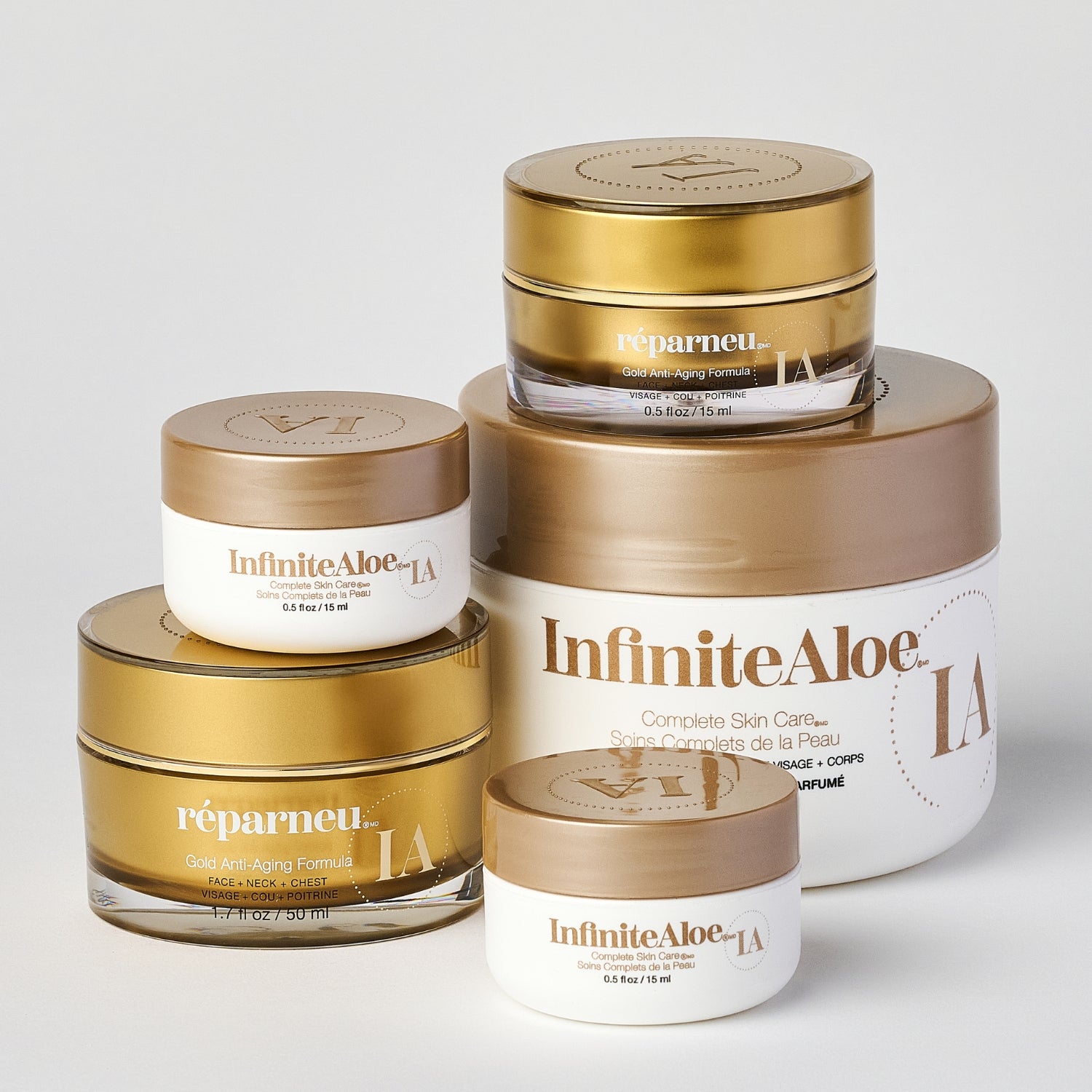
Combien de temps peut durer votre crème. J’ai acheté au Costco tout l’assortiment de pots de crème 2 gros et 4 petits je crois. Il me reste un mini pot qui n’est pas ouvert. Ça fait 2 ans et demie que je l’ai est’il encore bon.
Merci de me donner l’information et bonne journée.
Combien de temps peut durer votre crème. J’ai acheté au Costco tout l’assortiment de pots de crème 2 gros et 4 petits je crois. Il me reste un mini pot qui n’est pas ouvert. Ça fait 2 ans et demie que je l’ai est’il encore bon.
Merci de me donner l’information et bonne journée.