




Your hands dry out faster than the rest of your skin for a simple reason: they’re built differently, exposed more often, and asked to do more. It’s not because you’re doing something wrong. The skin on your hands has fewer oil glands than areas like your face or scalp, which means it produces less natural lubrication to protect itself. On top of that, hands are constantly exposed to water, soap, friction, temperature changes, and chemicals, all of which weaken the skin barrier over time.
Every time you wash your hands, you remove not just dirt and bacteria, but also the oils and lipids that help prevent moisture from escaping. Even frequent use of hand sanitizer, while necessary for hygiene, accelerates this process by breaking down the barrier further. Drinking water is important for overall health, but it doesn’t directly fix dry hands. Skin dryness is usually caused by water loss through the skin barrier, not a lack of water in the body. That’s why hands can feel dry even when you’re well hydrated. The real issue is that compromised skin allows moisture to escape faster than it can be replaced.
Historically, people understood this intuitively. Long before modern soaps existed, cultures protected their hands and skin using plant oils, waxes, and protective salves to shield against harsh environments. These practices weren’t about making skin “soft” for cosmetic reasons, but about preserving function and preventing cracking, pain, and infection.
Modern hand dryness is often worse because today’s soaps are far more effective at removing oils than anything used historically. Choosing the right cleanser matters. Harsh soaps strip the barrier aggressively, while gentler cleansers reduce damage with each wash. If you must wash frequently, using a less caustic soap is one of the most impactful changes you can make.
Moisturizing hands also works differently than moisturizing other areas.
Heavy, greasy products can feel protective, but they often interfere with daily tasks and glove use, leading people to apply them less often. Lightweight, absorptive moisturizers that penetrate quickly tend to work better because they’re used consistently. What matters most is not how thick a product feels, but whether it helps reduce ongoing moisture loss and supports barrier recovery.
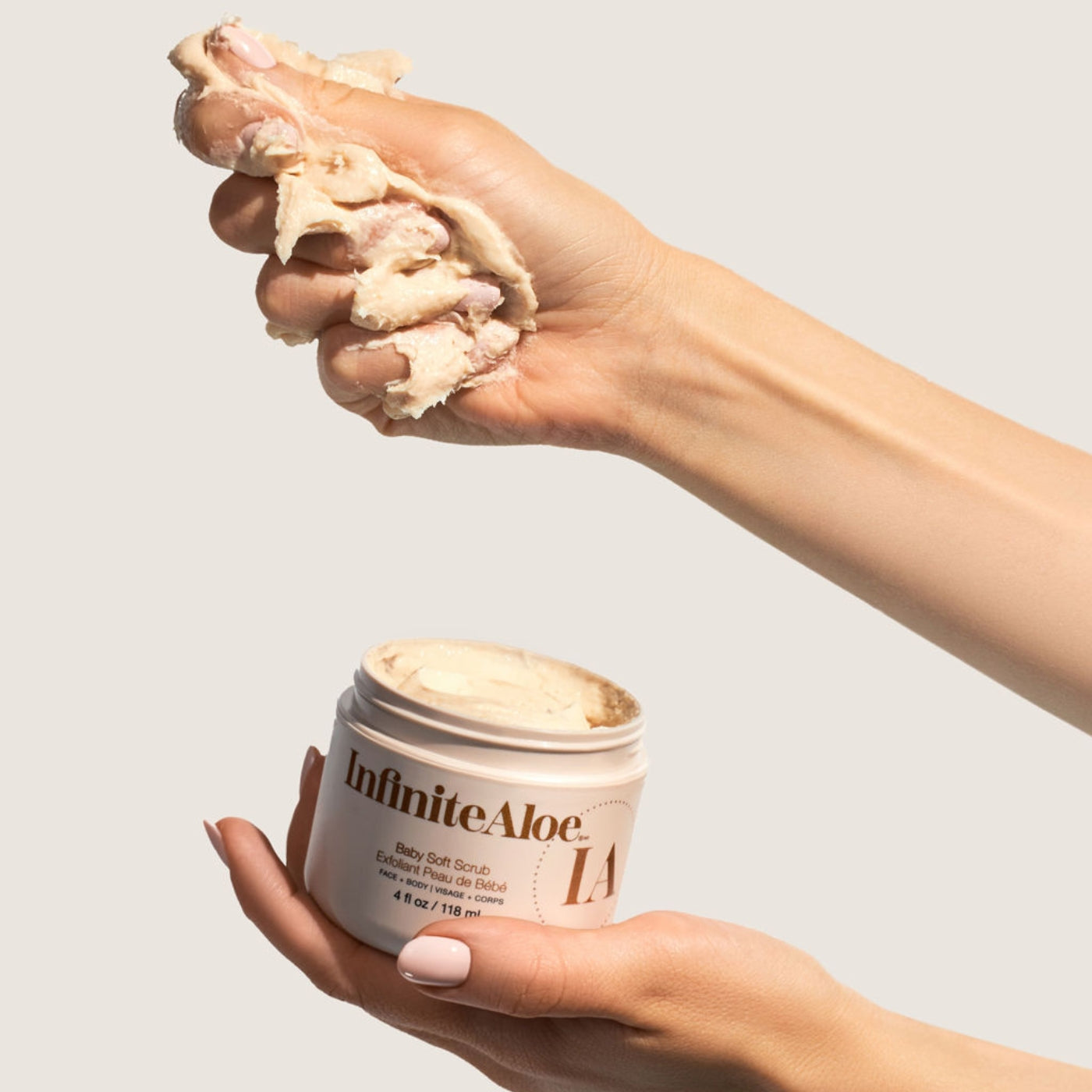
Occasional exfoliation can help remove thick, flaky buildup, but overdoing it makes dryness worse. Gentle exfoliation followed by immediate moisturizing allows products to absorb more evenly, but aggressive scrubs or frequent exfoliation weaken the barrier further.
Protection is just as important as repair. Gloves, whether for cleaning, work, cold weather, or sun exposure, reduce the constant environmental stress that hands face. Preventing damage is always easier than repairing it after the fact.
Hands also benefit from periodic “reset” moments, such as applying moisturizer before bed and allowing it to absorb overnight, when the skin can recover without interruption.
The key to healthier hands isn’t chasing stronger products or washing less. It’s understanding that hand skin needs protection, consistency, and barrier support more than almost any other part of the body.
When you work with how hands are built instead of fighting against it, dryness becomes far easier to manage over time.