




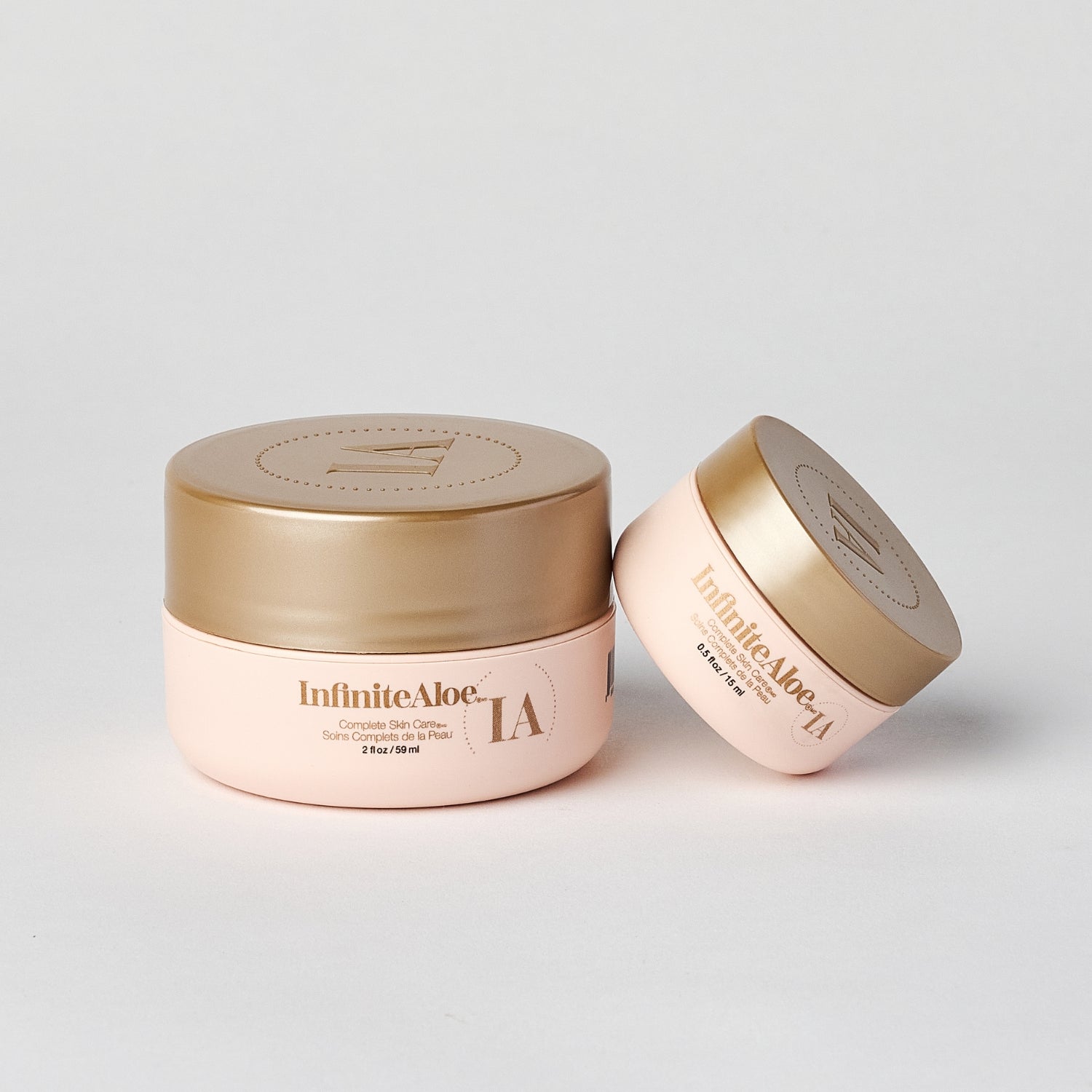
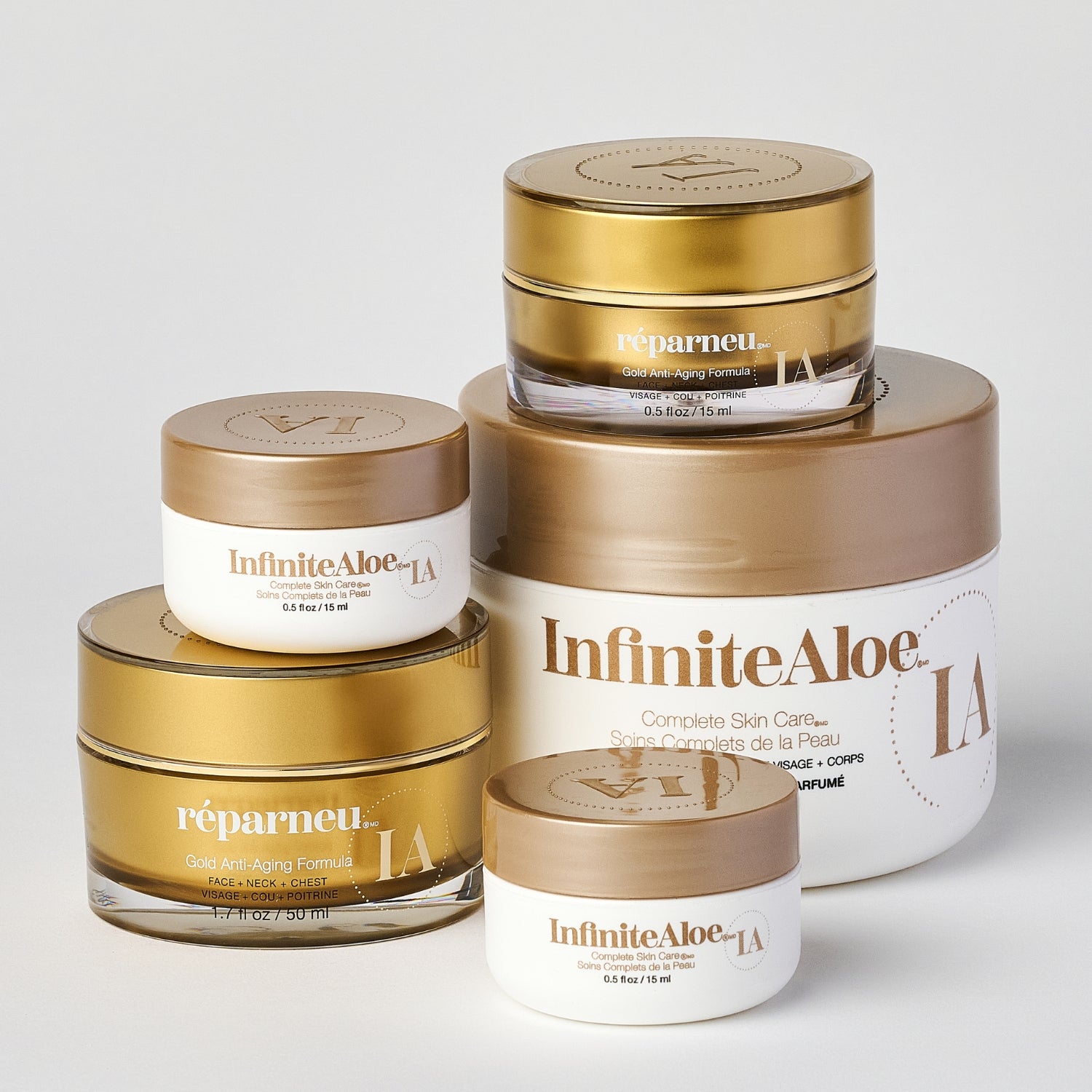
Aloe is one of the most misunderstood skincare ingredients. It’s not special because it “heals everything.” It’s useful because it tends to be tolerated well, especially when skin is stressed, reactive, or compromised, and it can add comfort and hydration without the heaviness or sting that other products sometimes cause.
So the real question isn’t “Is aloe good?” It’s whether aloe is actually doing something beneficial for the skin, or whether it’s just being used as a “gentle” marketing story. The honest answer is that aloe can be genuinely helpful, but it’s rarely the whole solution. It works best as a supportive ingredient inside a smarter routine.
Aloe vera gel comes from the inner portion of the aloe leaf, and in practical terms it’s best thought of as:
- a soothing layer that can calm irritated skin
- a hydration helper that reduces tightness by adding water to the surface layers
- a support ingredient that helps skin tolerate a routine while it recovers
Aloe is not a replacement for sunscreen, true barrier-repair moisturizers that reduce water loss, or medical care for persistent skin conditions.
When the skin barrier is disrupted, from over-cleansing, over-exfoliating, dry weather, friction, or too many active ingredients, skin often stings, flushes, feels tight, or becomes reactive. Aloe often feels good in these moments because it provides quick comfort, hydrates without heaviness, and pairs well with other supportive ingredients.
However, gentle does not automatically mean effective for every skin concern, and aloe won’t fix deeper issues if the barrier continues to be stressed.
Aloe is commonly helpful for:
- temporary irritation
- dryness discomfort after cleansing
- post-sun comfort (after exposure, not protection)
- acne-prone skin that still needs hydration when heavier products feel clogging
For eczema-prone or very reactive skin, aloe can be a helpful support ingredient, but it usually isn’t enough on its own. Long-term improvement comes from barrier protection, trigger avoidance, and routine consistency.
Aloe alone typically won’t resolve chronic dryness driven by barrier damage, long-term eczema cycles, wrinkles beyond temporary plumping from hydration, or skin issues caused by ongoing irritation triggers. Claims that aloe can erase wrinkles or cure eczema are marketing exaggerations rather than realistic expectations.
Choosing the right aloe product matters, because many disappointments come from poor formulation rather than aloe itself. When selecting an aloe gel or aloe-based product, look for simple formulas with minimal extras, avoid fragrance if your skin is sensitive, watch for drying alcohols high on the ingredient list, and make sure the product has a proper preservative system since aloe is mostly water and spoils easily.
Organic labeling can be nice, but tolerability, stability, and low irritation matter far more than certifications.
Aloe works best in a routine as a calming hydration layer applied after cleansing and followed by a moisturizer to help seal in hydration, or as a comfort step when skin reacts to a routine and needs simplification while triggers are removed.
For masks or heavier use, two to three times per week is a reasonable starting point, and daily use can be fine if skin tolerates it, though increased reactivity is a sign to scale back and focus more on barrier support.
DIY aloe masks can be useful short-term if kept simple and used safely. Always patch test by applying a small amount to the inner arm and waiting 24 hours.
Simple combinations like:
- aloe with honey for hydration
- aloe with a very small amount of turmeric for brightening
- aloe with plain yogurt for gentle exfoliation
can work when used briefly and followed with a moisturizer.
Avoid leaving aloe masks on overnight, be cautious with essential oils, and remember that homemade mixtures spoil quickly and should be refrigerated and used within about a week or frozen in portions.
In the end, aloe is valuable because it’s often comfortable, hydrating, and low-drama for stressed skin, but it isn’t magic. The strongest results come when aloe supports a bigger plan: simplifying routines, removing irritants, protecting the skin barrier, and choosing formulas that work with the skin instead of constantly challenging it.
If your skin is frequently tight, irritated, or reactive, aloe can be part of the solution, but the real goal is restoring stability and resilience over time.